


May 21, 2026
By Alexandria Carlson and OnKee Min
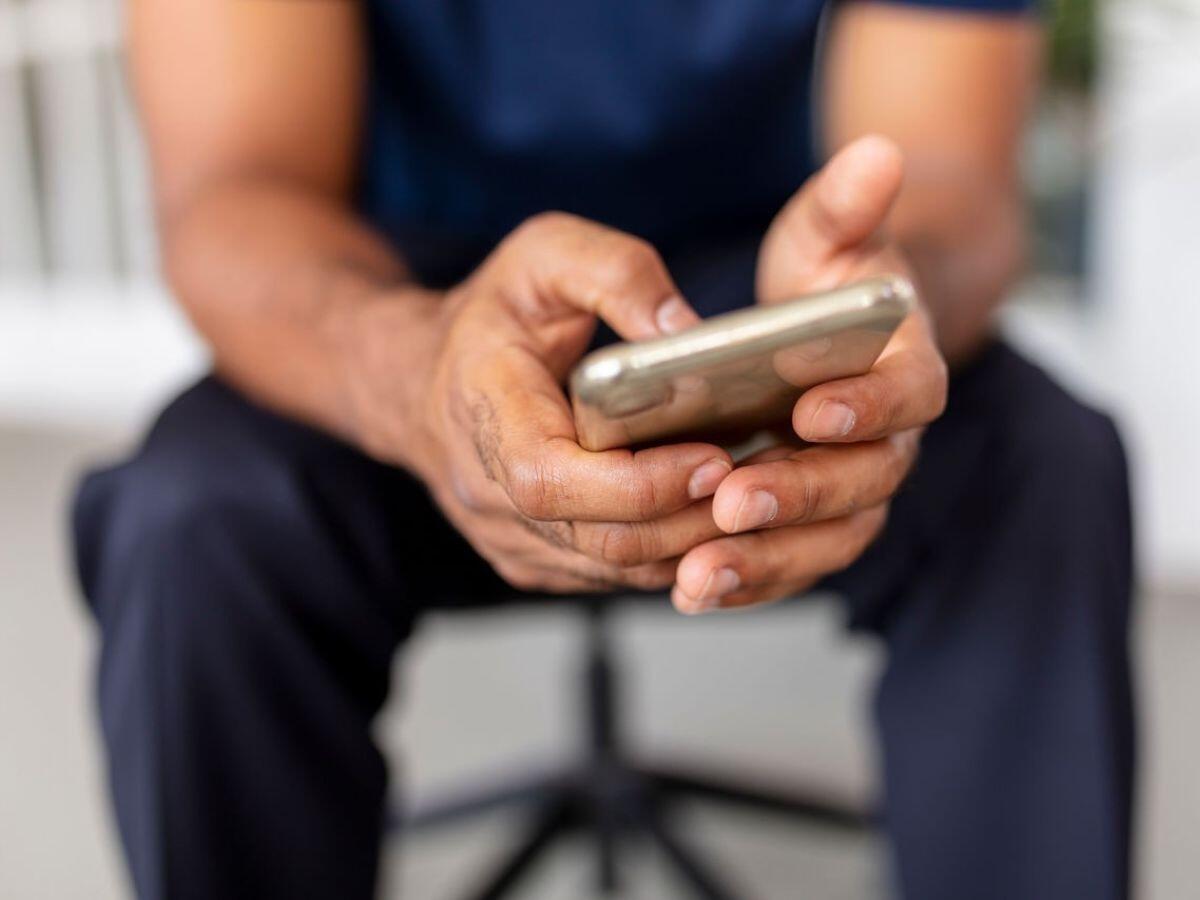
Following the introduction of smartphones and wearable medical devices, mobile health has become an essential tool. In addition to tracking one’s overall health data (e.g., steps, sleep), some health-based mobile applications enable real-time data sharing and communication between patients and their caregivers, health proxies and/or medical teams. Although these apps enable users to share data with several individuals in addition to physicians (e.g., nurses, physician assistants, caregivers), the article refers to “patient-physician apps” throughout for brevity.
Examples of patient-physician shared applications include patient portals (e.g., MyChart) as well as applications to help manage specific health conditions (e.g., Dexcom Clarity, a diabetes management application). Some mobile health applications, like Apple’s Health app, allow users to share health data (e.g., sensor data, self-reported data) with their healthcare providers (HCPs), even though such applications might not have been initially designed as patient-physician shared apps.
In this article, we discuss the benefits and drawbacks of patient-physician shared apps for both patients and healthcare providers.
Benefits to patient-physician shared applications
A major benefit of patient-physician shared apps is that they can give patients more insight into their own health and, in turn, increase patient engagement in their own health plans (i.e., adhere to treatment plans, partake in preventative health). Some specific examples include:
- Data ownership. Patient-physician shared apps enable patients to have more ownership over their health records. Specifically, patients can access their own health records rather than relying on an HCP to send a copy or to call with test results. Increased ownership over one’s health data can help individuals feel more informed in their health, seek second opinions and improve health outcomes.
- Ability to input data. Patient-physician shared apps often enable users to generate their own data (e.g., input symptoms or notes). For example, a patient might log symptoms of fatigue and headaches during a hyperglycemic event and later reference these symptoms with their HCP during an appointment.
- Ability to sync data. In addition to inputting data, patient-physician shared apps might enable users to sync information between third-party apps. For example, popular apps such as MyFitnessPal and Oura can sync with Apple Health, and Apple Health can sync with patient portals such as MyChart. Consequently, providers and patients alike can visualize a more accurate and holistic view of the patient’s health.
- Added tools and insights. Some apps have built-in educational resources to support users seeking to manage and/or understand their condition(s). Further, some apps might have AI-powered tools to help identify trends in the user’s health and provide actionable insights. Altogether, tools and additional resources can help patients feel more in control of their health.
Patient-physician apps, and patient portals in particular, help streamline the administrative tasks in the healthcare system and improve communication between patients and their HCPs. Specifically:
- Optimized healthcare operations. Patient-physician shared apps can help optimize routine workflows, such as refilling prescriptions or confirming an upcoming appointment, enabling patients’ flexibility and control over more routine aspects of their healthcare.
- Enhanced communication. Many patient portals provide a direct line of communication between patients and HCPs via real-time or quick-response messaging channels and/or telehealth. Whether it is for a quick consult, follow-up question, or remote appointment, the ability for physicians and patients to connect virtually has been a game changer, especially for those who live in remote areas or who otherwise cannot travel.
Drawbacks to patient-physician shared applications
Overall, the ability to easily and in real-time share medical information between patients, their caregivers and/or proxies and HCPs has improved the patient care experience. Specifically, patient-physician shared applications can increase patient engagement and increase patient access to healthcare. However, patient-physician apps present real concerns particularly for physicians:
- Concerns regarding privacy of health information. Digital tools in healthcare, including patient-physician shared apps, could reduce the security of patients’ health information. Patient-physician shared apps, including patient portals, may be accessible in non-healthcare spaces that are not designed for maintaining HIPAA compliance.
- Challenges associated with real-time monitoring. While some patient-physician shared apps may be designed assuming real-time or routine physician monitoring of patient health data (e.g., diabetes health management apps), HCPs’ typical schedules do not enable such monitoring. Instead, HCPs might find themselves reviewing data immediately before follow-up appointments or “off the clock” (e.g., at home in the evenings), which reinforces the concerns regarding the privacy of health information. Some apps might alert HCPs to key trends, above-threshold measurements or contraindicated medications that can support clinical decision-making in real-time. However, these alerts must be appropriately filtered so the notifications are clinically relevant; otherwise, HCPs might develop alarm fatigue and become less attentive to system alerts.
- Data fatigue and responsibility. HCPs may experience data fatigue when attempting to process and react to the volume of data to which they have access through various patient-physician shared apps. Compounding this issue, physicians might also feel anxiety about what level of monitoring they are responsible for legally, especially if a patient sharing health data in real-time has an urgent medical issue that could go undetected. It is essential for such apps to provide options for viewing data trends, rather than just individual datapoints, to facilitate physicians’ data interpretation. In addition to system alerts being appropriately filtered so they are clinically relevant, time-sensitive alerts should be salient and coded differently than other alerts that might be more routine.
- Accuracy of patient-reported data. When patients are responsible for collecting their own health data (e.g., blood glucose, blood pressure, heart rate), there is an increased chance for error in the data collection compared to trained HCPs using the relevant measurement tools. Even if the health data is measured correctly, the patient could enter it into the patient-physician app incorrectly. Wearable sensors can also malfunction, resulting in incorrect data in the app. This makes it difficult for physicians to rely on the patient-collected data.
While patient-physician shared apps may present benefits, especially for patients, they must be designed intentionally to facilitate physicians’ use without causing data fatigue or HIPAA compliance concerns. Contact our team to learn more about design considerations for patient-physician paired applications or other mobile health tools. Or, sign up for a complimentary account with OPUS, our team’s software platform that provides HFE training, tools and templates to help you complete cornerstone HFE activities.
Alexandria Carlson is a Lead Human Factors Specialist and OnKee Min is a Human Factors Specialist at Emergo by UL.


Request more information from our specialists
Thanks for your interest in our products and services. Let's collect some information so we can connect you with the right person.